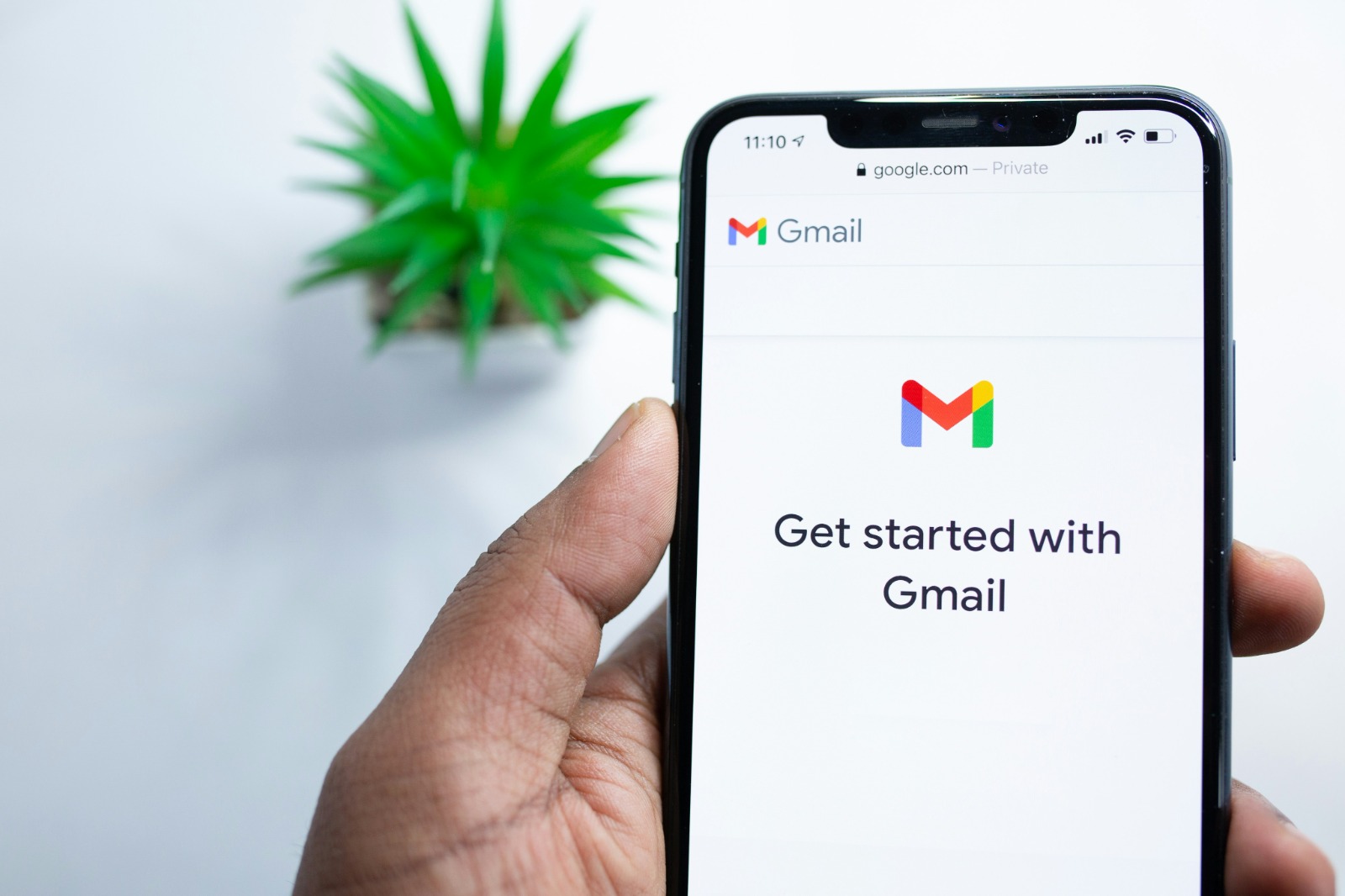
Social media is great, but you do not own your followers. Algorithms change, accounts get restricted and reach can drop overnight. An email list, on the other hand, is an audience that belongs to you.
That is why email marketing is still one of the most effective digital marketing channels. In this beginner guide, you will learn what email marketing is, how to start and how to get real results.
What Is Email Marketing?
Email marketing means sending useful messages to people who have agreed to hear from you. These messages can be newsletters, offers, tips, product updates or welcome emails. The goal is to build trust and guide people towards a purchase, booking or sign-up.
Why Email Marketing Still Works
- You own your audience and do not depend on any algorithm
- It reaches people who already showed interest in you
- It is low cost compared to ads
- It is easy to personalize and automate
- It gives a strong return on investment when done well
- It builds long-term relationships and repeat customers
Step 1: Choose an Email Marketing Tool
You need a tool to collect emails, send campaigns and track results. Do not use normal Gmail for bulk emails.
Beginner-friendly options:
- Mailchimp
- Brevo (formerly Sendinblue)
- MailerLite
- ConvertKit
- Zoho Campaigns
Most of them have free plans for small lists. Pick one that is simple and has templates, forms and automation.
Step 2: Decide Your Goal and Audience
Before you collect emails, be clear about:
- Who is this email list for?
- What will they receive from you?
- What is your goal (sales, bookings, blog traffic, course sign-ups)?
When people know what to expect, they stay subscribed.
Step 3: Create a Lead Magnet
A lead magnet is a free gift you offer in exchange for an email address. It must solve one small problem quickly.
Good lead magnet ideas:
- A free checklist or template
- A short PDF guide or ebook
- A discount code for the first order
- A free mini-course or video tutorial
- A free consultation or audit
Example: "Download our free 30-day social media content calendar."
Step 4: Build Your Email List
Place your sign-up form where people will see it:
- On your website homepage and blog posts
- In a pop-up or slide-in form (do not make it annoying)
- In your Instagram bio and Stories
- On your YouTube video descriptions
- On a simple landing page you share on WhatsApp
- At the end of every blog post
Important: Only email people who gave permission. Never buy email lists. It harms your reputation and can break privacy rules.
Step 5: Send a Welcome Email
The welcome email gets the highest open rates, so use it well.
- Thank them for joining
- Deliver the free gift you promised
- Tell them what to expect and how often you will email
- Introduce yourself or your brand in a friendly way
- Add one simple next step, like following you or reading a popular post
Step 6: Write Subject Lines People Open
Your subject line decides whether your email gets read.
- Keep it short (about 40 to 50 characters)
- Create curiosity or promise a clear benefit
- Use the person's name sometimes
- Avoid spammy words like "FREE!!!" or "WIN NOW"
Examples:
- "3 mistakes that are killing your Instagram reach"
- "Your free checklist is ready"
- "Quick question about your business"
Step 7: Write Emails That Get Clicks
A good email is simple:
- Start with a friendly greeting
- Share one clear idea or message per email
- Use short paragraphs and simple words
- Write like you are talking to one person
- Add one clear call to action button (Read more, Shop now, Book now)
- Make sure it looks good on mobile phones
Step 8: Types of Emails to Send
- Welcome email: Introduce yourself and deliver your free gift
- Newsletter: Regular tips, updates and stories
- Promotional email: Offers, launches and sales
- Abandoned cart email: Remind people who left items in their cart
- Re-engagement email: Win back people who stopped opening
- Thank you and feedback email: Build loyalty after a purchase
A good balance is mostly valuable content with a few promotional emails.
Step 9: Set Up Basic Automation
Automation sends emails for you at the right time.
- Welcome series: 3 to 5 emails after someone joins
- Birthday or anniversary offers
- Abandoned cart reminders
- Post-purchase follow-ups
Set it once and it keeps working for you.
Step 10: Segment Your List
Not everyone on your list wants the same thing. Divide subscribers into groups based on:
- Interests
- Location
- Past purchases
- How active they are
Segmented emails get better opens and clicks because they feel more relevant.
How Often Should You Send Emails?
For beginners, once a week or once every two weeks works well. Pick a schedule you can keep. Consistency builds trust, and too many emails can cause unsubscribes.
How to Measure Email Marketing Results
- Open rate: How many people opened your email
- Click-through rate: How many clicked a link
- Conversion rate: How many took the action you wanted
- Unsubscribe rate: How many left
- Bounce rate: How many emails did not reach
Test different subject lines, send times and buttons. Keep what works and improve what does not.
Common Email Marketing Mistakes to Avoid
- Sending emails without permission
- Using unclear or clickbait subject lines
- Writing long emails with no clear action
- Sending only sales messages
- Not testing emails on mobile
- Ignoring unsubscribe and privacy rules
- Disappearing for months and then sending a sudden sales email
Frequently Asked Questions
Is email marketing still effective in 2026?
Yes. It remains one of the best ways to build direct relationships and drive repeat sales, and it works well alongside social media and SEO.
How many subscribers do I need to start?
You can start with zero. Even a small list of 50 to 100 interested people can bring good results.
Is email marketing free?
Many tools offer free plans for small lists. You only need to pay when your list or features grow.
What is a good open rate?
It varies by industry, but 20 to 40 percent is generally considered healthy. Focus on improving your own numbers over time.
How do I avoid landing in the spam folder?
Send only to people who opted in, use a recognized email tool, avoid spammy words, keep your list clean and make it easy to unsubscribe.
Conclusion
Email marketing is simple when you follow the basics: choose a tool, offer a valuable lead magnet, build your list with permission, send helpful emails regularly and track your results.
Start small. Send your first welcome email this week and build from there. A loyal email list can become one of the most valuable assets of your business or blog.
Are you ready to start your email list? Share your questions in the comments.